98% SMS Open Rates: How Businesses Lower Support Costs and Boost Satisfaction with Proactive Messaging
 USpeedo
 Knowledge Guides
 26 Jan, 2026
SMS has evolved from a simple notification tool into a sophisticated, high-engagement customer service channel. With open rates reaching as high as 98%, its immediate reach far exceeds that of email. In an era of stagnant growth and fierce competition, leading enterprises are leveraging SMS to undergo a strategic transformation from "reactive response" to "proactive service." By anticipating customer needs and delivering precise information before queries even arise, companies can not only significantly alleviate the pressure of repetitive inquiries on call centers but also enhance customer satisfaction at critical touchpoints. This article explores how to optimize SMS service formats and application scenarios to build a low-cost, high-efficiency digital service barrier.

1. What is Proactive SMS Customer Service? Which Key Business Scenarios Can It Cover?
Proactive SMS Customer Service is a service model where SMS is deeply embedded into business workflows. At critical touchpoints—such as ordering, servicing, risk control, and fulfillment—the system automatically pushes essential information to the user. By shifting from "users asking" to "the system informing," businesses can achieve a higher-efficiency customer service experience at a lower cost.
The true value of an SMS service is not measured by "volume," but by "timing, targeting, and problem-solving."
From a business perspective, proactive SMS customer service primarily covers the following scenarios:
I. Transaction & Process Milestone Notifications — Reducing "Status Inquiry" Volume
This is the most classic scenario with the highest ROI. The goal is to eliminate a large number of repetitive inbound inquiries.
- Order Confirmation / Shipping / Delivery
- Refund Application / Approval / Funds Credited
- Work Order Received / In-Progress / Completed
- Account Status Changes, Permission Changes, or Document Audit Results
II. Appointments, Fulfillment & Time-Sensitive Reminders — Preventing Resource Waste
Applicable to any business involving appointments, scheduling, on-site services, or in-store visits:
- Medical / Health Checkups / Repairs / Installations / Consulting
- Interviews, Exams, or Training Courses
- Meetings, Property Viewings, Test Drives, or Contract Signings
III. Anomalies, Failures & Risk Alerts — Mitigating Complaints and PR Risks
The goal of these messages is risk control and expectations management:
- System Failures / Service Interruptions
- Shipping Delays / Fulfillment Postponements
- Abnormal Account Logins / Risk Control Interceptions / Critical Security Alerts
- Policy Changes / Service Rule Adjustments
IV. After-Sales Care & Service Loop Closure — Boosting Satisfaction and Repurchase Rates
Used for follow-up and experience management after a service is completed:
- Service Completion Confirmation
- Usage Guidelines / Important Notes
- After-sales Portal Guidance
V. Precision Operations & Member Reach — Establishing Controlled Marketing Touchpoints
Used for Customer Relationship Management (CRM) and returning customer win-backs:
- Exclusive Discounts / Membership Benefit Reminders
- Points Expiry Reminders
- Renewal / Upgrade Reminders
- Re-engaging Dormant Users
VI. Multi-Channel Failover & Compensation — Ensuring Delivery of Critical Information
Applicable to high-value, time-sensitive information:
- Automatic SMS fallback when App Push or Email fails
- Using SMS as a "safety net" when users haven't logged into the App for a long time
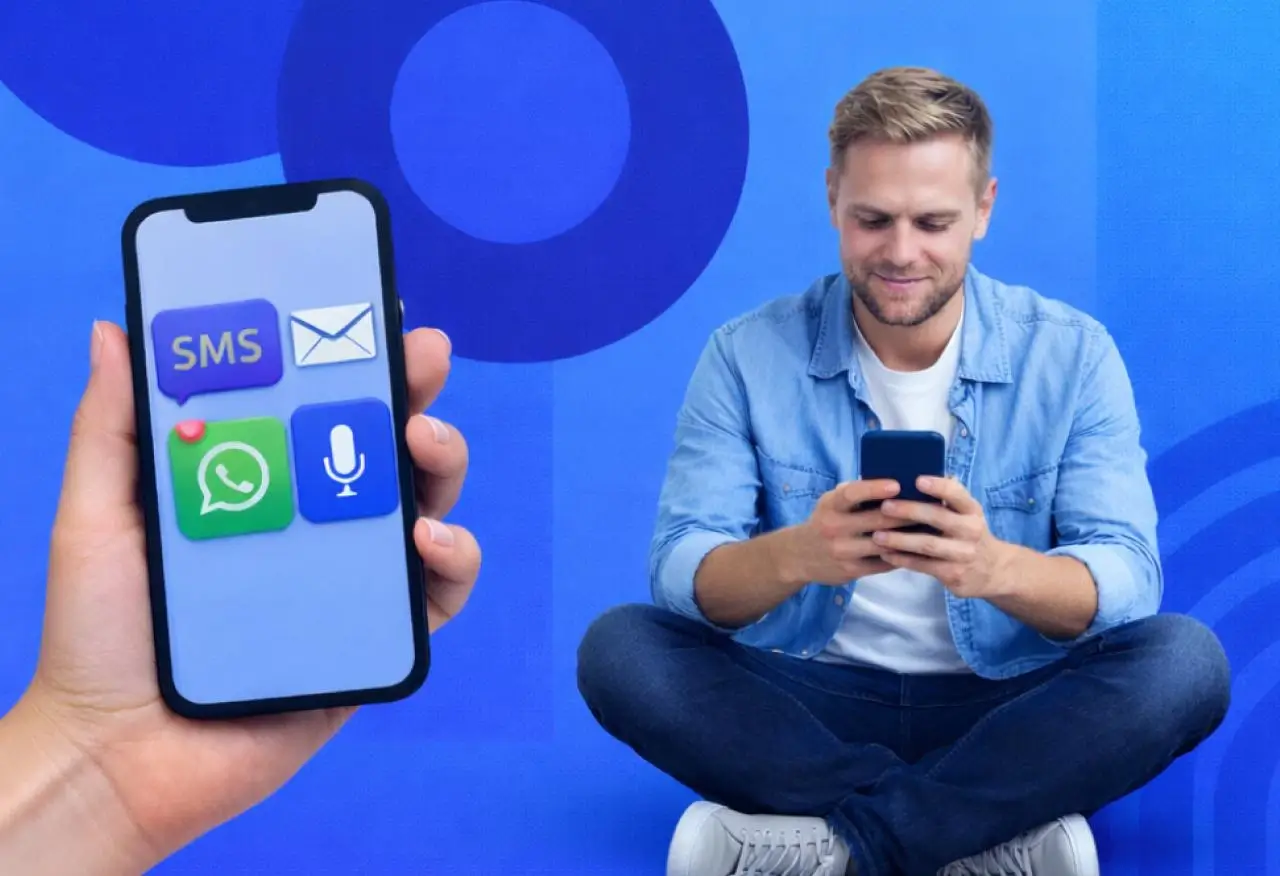
- Serving as the final guarantee for Voice, IM, or System Notifications
When SMS is no longer an "afterthought" but a part of "proactive anticipation," it evolves from a simple notification channel into vital infrastructure. It reduces service costs, stabilizes the user experience, and builds a foundation for scalable service capabilities.

2. Strategic Advantages of Proactive SMS Support
Leveraging SMS for customer service offers distinct benefits for enhancing customer experience and operational efficiency:
- Instant Information Delivery: Ensure customers receive critical updates the moment they matter, directly on their mobile devices.
- Reduced Inbound Volume: Proactive notifications can preempt common customer inquiries, reducing the load on your call centers and support agents.
- High Engagement & Visibility: With nearly every SMS message being opened and read almost immediately, you ensure your important communications are seen.
- Enhanced Brand Trust: Timely and relevant updates foster a sense of reliability and care, strengthening customer loyalty.
3. Practical Use Cases & Message Templates
SMS excels at delivering clear, concise, and timely information. Here are examples focusing on outbound (business-to-customer) communications:
A. Shipping & Order Status Notifications
Keep customers informed about their purchases, reducing anxiety and inbound "where is my order?" calls.
Template: "Hi [Name], great news! Your order #[Order_ID] has shipped and is estimated to arrive on [Date]. Track it here: [Tracking Link]."
B. Appointment & Service Reminders
Proactively remind customers about upcoming appointments, reducing no-shows and improving scheduling efficiency.
Template: "Reminder: Your appointment with [Business Name] is scheduled for tomorrow, [Date] at [Time]. We look forward to seeing you!"
C. Critical Alerts & Service Updates
Communicate important system outages, service changes, or urgent information efficiently.
Template: "Urgent: Our [Service Name] is experiencing temporary issues. We are working quickly to resolve this. Updates will be provided soon."
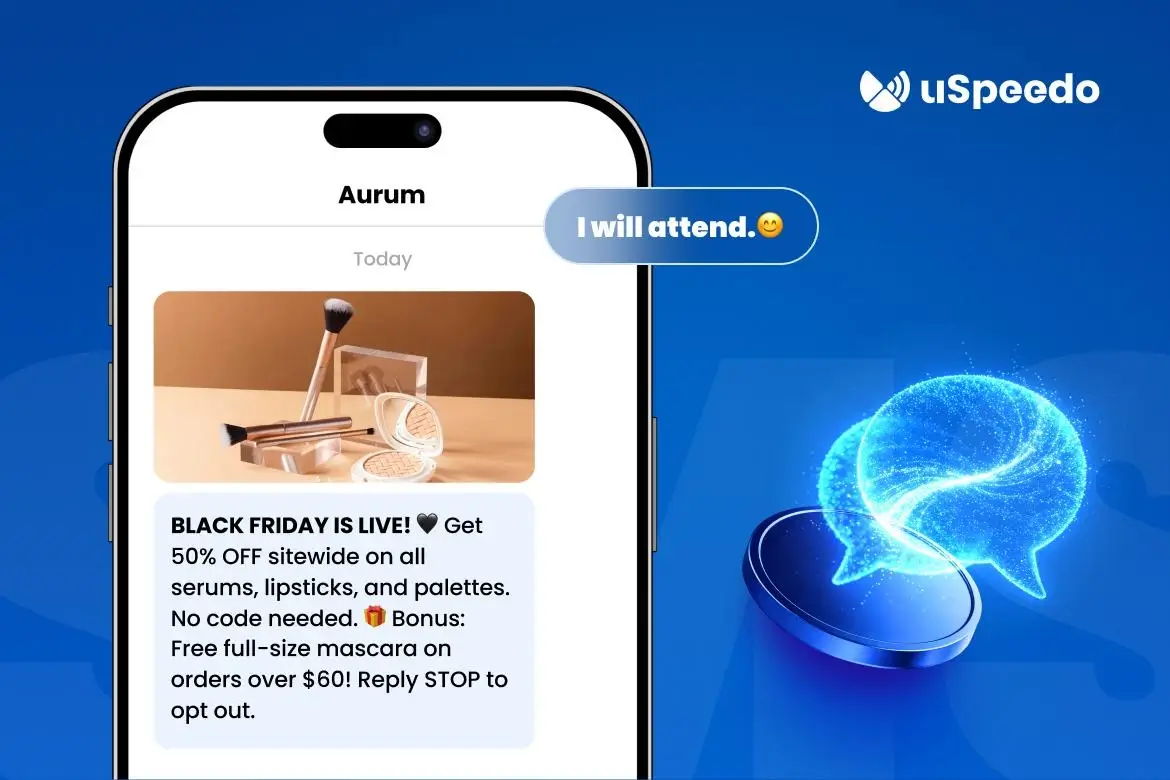
D. Targeted Promotions & Exclusive Offers
Deliver special deals directly to opted-in customers, driving engagement and sales.
Template: "Exclusive Offer: Hi [Name], enjoy 20% off your next purchase at [Business Name]! Use code [CODE] at checkout. Valid until [Date]."
4. Key Performance Indicators (KPIs)
To gauge the effectiveness of your proactive SMS strategy, monitor these metrics:
- Message Delivery Rate: The percentage of messages successfully delivered to customer devices, indicating carrier route health.
- Attribution Metrics: For promotional messages, track conversion rates linked to SMS campaigns (e.g., coupon redemption).
- Reduced Inbound Calls: Monitor the decrease in calls related to inquiries that are now covered by your proactive SMS notifications.
5. Getting Started with Proactive SMS
- Define Your Communication Flows: Map out the specific scenarios where proactive SMS can add value (e.g., order confirmations, service reminders, critical alerts).
- Select a Robust SMS Platform: Select the right CPaaS provider (such as uSpeedo). A qualified provider should have comprehensive API capabilities, be able to integrate with your enterprise’s existing Customer Relationship Management (CRM) system or marketing automation platform, and deliver an SMS delivery rate of over 99%.
- Integrate and Automate: Connect your selected SMS platform with relevant systems to trigger messages automatically based on customer actions or internal events, ensuring timely and consistent communication.